
.png)
Inclusive Marketing Strategy: How to Get It Right in 2026
Most of us have tried forgetting 2020. But if you haven’t repressed the entire year, you might remember banana bread, TikTok dances, and a scramble of inclusive marketing, following global protests and the Black Lives Matter movement. Six years later, DEI has evolved in many ways (much like the TikTok dances), but inclusive marketing has taken a backseat in brands' minds.
Brands were responding to societal pressure, but now the commitments that sparked six years ago have wavered. Budgets have been reallocated, and brands have gotten quieter when we’ve needed them to speak up. But inclusive marketing should never have been a trend or a moral tick-box: if you’re not inclusive in your marketing, you’re ignoring your real-life audience. The brands that are ready to do it well, are the ones that will authentically connect with their customers.
Let's get into what that looks like.
What is inclusive marketing?
Inclusive marketing means building campaigns, products and experiences that represent the full range of people who could buy from you. That means accounting for gender identity, ethnicity, race, age, disability, mental ability, sexual orientation, body type, socio-economic status, and the different backgrounds your customers come from.
You need to be inclusive in every part of your business. Across your brand values, product development, advertising, hiring, messaging, customer support. Marketing is the visible part, but it should be the last point you consider: casting diverse people for a campaign will do absolutely nothing if authentic inclusivity isn’t built up through the foundations of your brand.
Who are you already excluding?
Inclusivity is often framed as adding new people; a more diverse approach to reach a wider audience. While this is true, it doesn’t address the problem of the minority groups you’re currently leaving out by default. Imagine what your “average” customer looks like… if you’re thinking white, able-bodied, and cis, you’re missing out on customers. Your assumption is telling everyone who doesn't fit that picture that your product isn't for them.
Look at your last three campaigns and ask who's missing. Your market share is leaking out of the gaps. This is the same problem we wrote about in our post, Marketing to women: why most brands still get it wrong. If you treat an entire demographic as an afterthought, don’t be surprised when they spend their money elsewhere.
Your customers want inclusivity
A recent study by the Unstereotype Alliance, put together by UN Women with Oxford's Saïd Business School, analysed 392 brands across 58 countries. Inclusive advertising delivered 3.5% higher short-term sales, 16% higher long-term sales, a 62% higher likelihood of being a consumer's first choice, and 15% higher customer loyalty.
Kantar's Brand Inclusion Index found that diversity, equity and inclusion are now treated as non-negotiable by Gen Z and Millennial consumers, as well as fast-growing, underserved groups. And the younger your target audience, the more likely they are to drag you for inauthentic inclusivity.
So why aren’t most companies still not doing it well? HubSpot's 2025 research found that 63% of marketers say their employer invests in inclusive marketing, but only 42% say inclusivity is actually central to what they do. The intent is getting there, but the execution is as flimsy as that £3 umbrella you bought at a corner shop when you got caught in a downpour.
The demand and commercial value have been proven, and your competitors are snoozing; this is your opportunity to do it the right way.
Why so many inclusive marketing campaigns flop
But before we get into that, we need to look at what doesn’t work. Nothing kills inclusivity faster than performativism. If you’re pushing diversity in your advertising campaigns but in no other part of your brand, your campaigns will fall flatter than a popped balloon. Don’t insult your customers’ intelligence; they can tell the difference and the public backlash will be merciless.
Performativism can look like:
- Tokenism: tacking on one “diverse” person to tick a checkbox.
- Conflict: visuals that say one thing, while messages are on a completely different page.
- Unbacked claims: saying you stand for something, but doing nothing to support it.
- Selective participation: showing up just for Pride then forgetting about LGBTQIA+ rights? No thanks.
Before publishing any inclusive marketing campaigns, ask yourself five questions. We run these internally to get rid of gaps before we go live with anything.
- Whose voice is missing from this and how can we include them?
- Have we collaborated with the demographic of people we’re marketing to?
- Are you backing your claims with real action?
- Are you paying the community you're speaking to, and giving credit where it's due?
- Have you built an internal culture where people have a safe space to speak up about what’s missing or what needs to be changed?
Most of your competitors aren’t passing (or even asking) these questions. Running these questions shows nuance and understanding of what real inclusion looks like, and will put you ahead of other brands.
How to build an inclusive marketing strategy
Many brands make the mistake of building a separate inclusive marketing strategy, when you should be building it into the one you already have. Here’s where to focus.
Start with your audience
You need to know the people you’re selling to. Learn your audience and the different perspectives they bring; each identity can shape purchase behaviours.
Don’t guess
Use real demographic data, run focus groups, and listen on social media what people are actually saying. Ask people for their opinions directly, and never assume.
Get your language right
Inclusive language should be respectful and clear. Use gender-neutral terms, respect cultural nuances, and include the audience you’re marketing to, and avoid assumptions and stereotypes.
Make it accessible
Accessibility is non-negotiable, but often forgotten. Include video captions, image alt text, content, and marketing materials that are user-friendly across devices and social media platforms.
Build from the inside
Diverse marketing teams and creative processes create better content. More varied lived experiences show different perspectives to tell more interesting stories; different cultures are what makes inclusive campaigns credible. As we discussed in Cultural branding: what it is and why most brands get it wrong, you can't authentically reflect a culture you know nothing about.
Inclusive marketing examples worth learning from
A few inclusive brands that have done diverse marketing right, long before it was a trend.
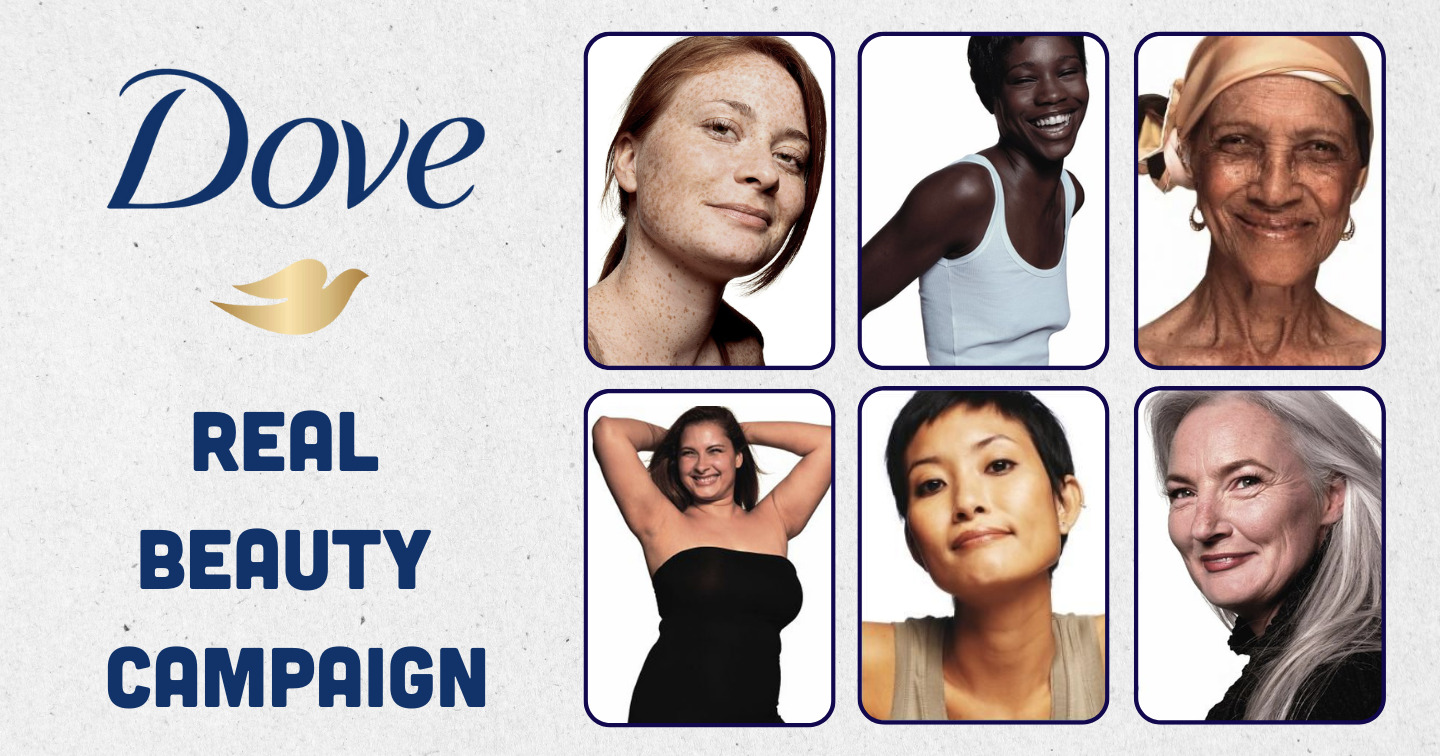
Dove
The beauty standards of the early 2000s were brutal, and Dove challenged them all in their 2004 Real Beauty Campaign. They moved away from conventional models to celebrate the natural beauty in women of all ages, ethnicities, bodies, and skin types. Despite the original campaign launching years ago, it holds true to Dove’s values, and they still run campaigns about self-love and confidence today.
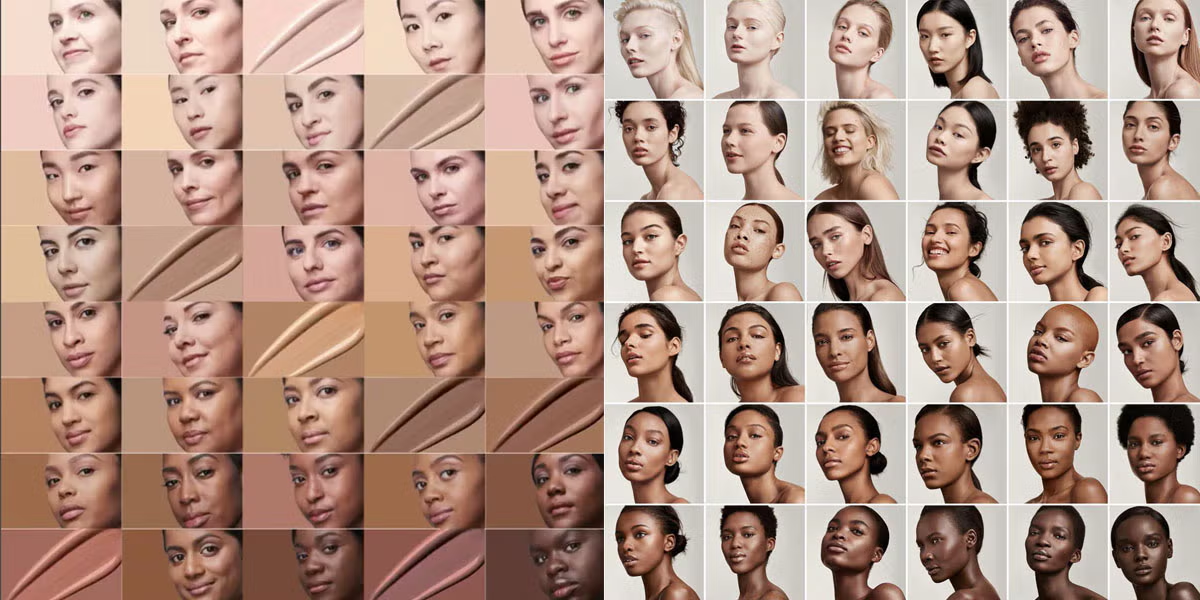
Fenty Beauty
If you’ve ever tried to pick your foundation out of five available beiges, you may have jumped for joy when Rihanna launched an industry-first 40 inclusive shades. This launch proved an unprecedented demand for the wider range, and set the new standard for the industry, with many companies following suit. Fenty lives its inclusive values and features diverse models and ambassadors across all its campaigns and product launches.
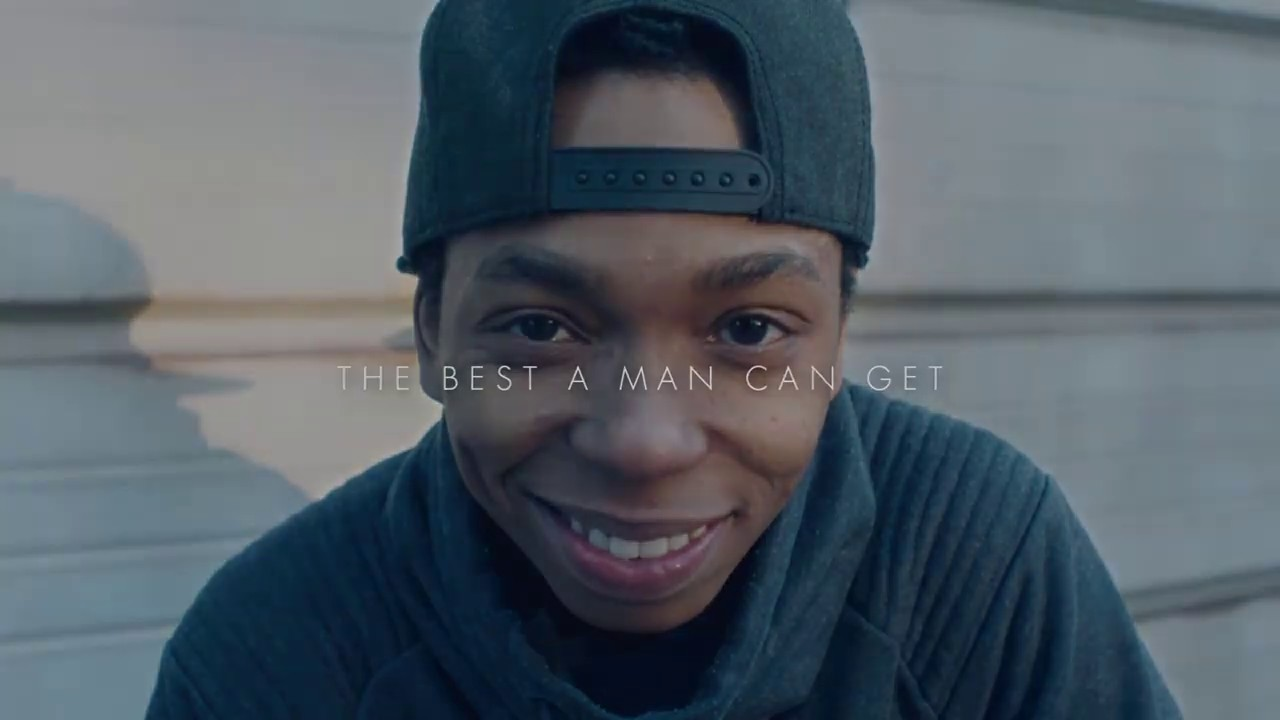
Gillette
Gillette’s “First Shave” campaign moved away from traditional stereotypes. The short film shows a young trans man shaving for the first time, guided by his supportive dad. The moving campaign highlighted the importance of your first shave, whenever it happens, and targeted new markets that Gillette's competitors ignored.
How to do inclusive marketing in 2026
In 2026, many brands are scared of getting inclusive marketing wrong, so they don’t bother, but the risk of not being inclusive will cost you more in the long run. Building trust with your diverse audience takes time, and walking away when it gets uncomfortable will shatter any faith they had in you (and annihilate the chance of rebuilding it later).
The consumer demand for inclusive marketing is stronger than ever, especially among younger generations, and they are watching what you’re doing. You don’t have to be immediately perfect, but you do have to authentically show up. Make the first steps now, and learn and improve as you go. The perfect time doesn’t exist, and waiting for it looks the same as ignoring it to your audience.
To measure what’s working, you need to look at the data that tells you if people feel like they belong with you. Track how diverse your customer base is; if it broadens over time, you’re doing it well. Check whether you're retaining customers at similar rates across different groups and watch brand sentiment and consumer preference. Pay attention to the qualitative stuff too; the comment sections on socials will tell you more about how your audience really feels than any structured survey.
Brand awareness and brand loyalty move slowly, but it’s so important you stay on top of them. These are the long-term commitment indicators that will show you if you’re heading in the right direction. We talked about this consistency in our guide to LGBTQ+ marketing; how to do it right in 2026. The brands who play the long game well are the ones who stand out.
Get it right now and set the bar for the future
Inclusive marketing is in higher demand than ever, but a lot of brands are doing it badly or ignoring it completely, so the bar is barely scraping the floor. The businesses that are taking the time to research, understand, and implement inclusive practices now are the ones that will set the standard in the years to come. And the ones that don’t look like careless a**holes to your customers now - win, win!
At I Am Female*, we help brands see inclusion as the crucial, long-term investment that it is, not a tick-box chore. Everything that we do is rooted in inclusivity, and we bring our diverse perspectives and lived experiences to every brief. To find out more about how we can make your inclusive marketing strategy meaningful, book a call with us today.


Go on… steal all of our brilliant ideas


Go on… steal all of our brilliant ideas
Fancy some emails you’ll actually want to read? Sign up for our newsletter and we’ll slide into your inbox with insights on how you can make your brand hotter than Dante's inferno.